
You’ve just cleaned your toilet. The lid shines, the rim looks spotless, and it smells pleasantly fresh. But under UV light, a different story often unfolds: residues, deposits, and invisible germs that remain unnoticed, even after a thorough cleaning.
In fact, the toilet is one of the most heavily used hygiene spots in the home. Ironically, the areas that appear clean often harbor the most bacteria, like under the rim, inside the cistern, or on the brush holder. What many don’t realize is that traditional cleaning methods often fall short in truly sanitizing these areas. Just because it looks clean doesn’t mean it’s hygienic.
That’s why it’s worth taking a cue from the pros. Cleaning professionals who tackle dozens of bathrooms every day use techniques and tools that go far beyond what most households have. Some of these tips are surprisingly simple, while others focus on areas that often get overlooked.
In this article, we’ll share seven expert tricks to help you clean your toilet and ensure it’s truly hygienic. Each tip is based on real-world experience, and the best part? Many can be implemented in just a few minutes.
The 7 Best Expert Tips for Cleaning Your Toilet
Many people think they know how to clean a toilet. However, in practice, germs often survive in spots that traditional cleaning overlooks. The following tips come from the experience of professional cleaners. They highlight what really matters when it comes to thoroughly cleaning a toilet and which details often slip through the cracks.
Tip 1: Timing is Everything
The first mistake often happens before you even start cleaning. Many people reach for the cleaner right after a shower, thinking the warm, humid environment feels “clean.” But therein lies the problem: high humidity can significantly reduce the effectiveness of cleaning products. Residues cling more stubbornly, and germs aren’t completely eliminated.
Better: Clean the toilet when the air is dry. Early morning after the first trip to the bathroom, with the window open or just before airing out the room, is ideal. This way, cleaning products work more effectively, and everything dries faster, making it harder for bacteria to survive.
Extra Tip: If all this seems too complicated or you’re unsure how to truly sanitize your toilet, hiring a professional cleaner might be the better solution. Many cleaning professionals even bring their own high-quality equipment and can clean not just your toilet but your entire bathroom.
Tip 2: The Right Tools Make a Difference
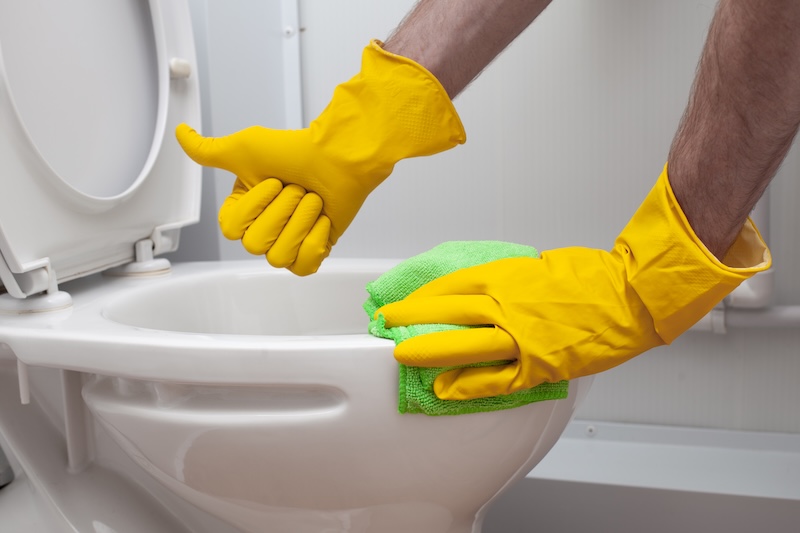
If you’re using an old, frayed brush from two years ago, you might be fighting more with the brush than cleaning the toilet itself. Professional cleaning starts with the right tools. High-quality toilet brushes with replaceable heads reduce germ transfer. Microfiber cloths are better than sponges, as they trap even the tiniest particles.
What Professionals Use:
- Silicone grout cleaners for hard-to-reach corners
- Interdental brushes to clean under the rim
- UV flashlights to make invisible residues visible
Once you see what shows up under UV light, you’ll never clean “just the surface” again.
Tip 3: The 3-Zone Method for Maximum Hygiene
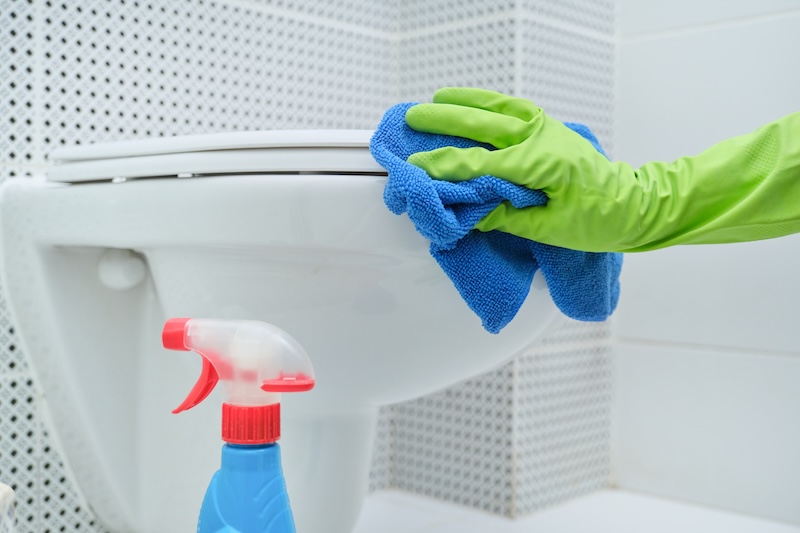
A common mistake is wiping everything down with the same cloth. The toilet is one of the germiest places in the home. The 3-Zone Method divides the toilet into three hygienically sensible areas:
- Zone 1: Inside the toilet bowl
- Zone 2: Seat, lid, and outer shell
- Zone 3: Surroundings like the floor, flush button, and wall area
Here’s how to do it right: Use a separate cloth or cleaning product for each zone. Even better: implement a color-coding system. For example:
- Red = Inside
- Yellow = Seat
- Blue = Surroundings
This simple method prevents cross-contamination and delivers a noticeably more hygienic result.
Tip 4: The Forgotten Interior
When cleaning the toilet, most people only focus on what’s visible. However, over time, the cistern can accumulate deposits, biofilm, and even mold. These contaminants enter the toilet with every flush and spread as a fine mist.
Here’s how to clean the cistern properly:
- Place cleaning tabs inside and let them sit overnight
- Alternatively, dissolve 1-2 tablespoons of citric acid in warm water and pour it in
The rim is also a major germ hotspot. Use special rim brushes or liquid rim cleaners with a spout to clean effectively under the rim. For rimless toilets, there are special tabs that distribute evenly.
Tip 5: Use Household Remedies Wisely
If you want to clean your toilet, it’s a good idea to use household remedies like baking soda. Baking soda and citric acid work wonders together against limescale and odors. However, many people misuse these classics and wonder why they don’t work.
Here’s how it really works:
- First, add 2 tablespoons of baking soda to the toilet
- Then, slowly add 100 ml of citric acid
- Let it sit for 10-15 minutes; do not flush immediately
This mixture dissolves stubborn deposits and neutralizes odors at the same time. By the way, the myth that cola is a good toilet cleaner persists, but in practice, it doesn’t do much. The phosphoric acid it contains is too weakly dosed to be effective.
Tip 6: Eliminate Odors for Good
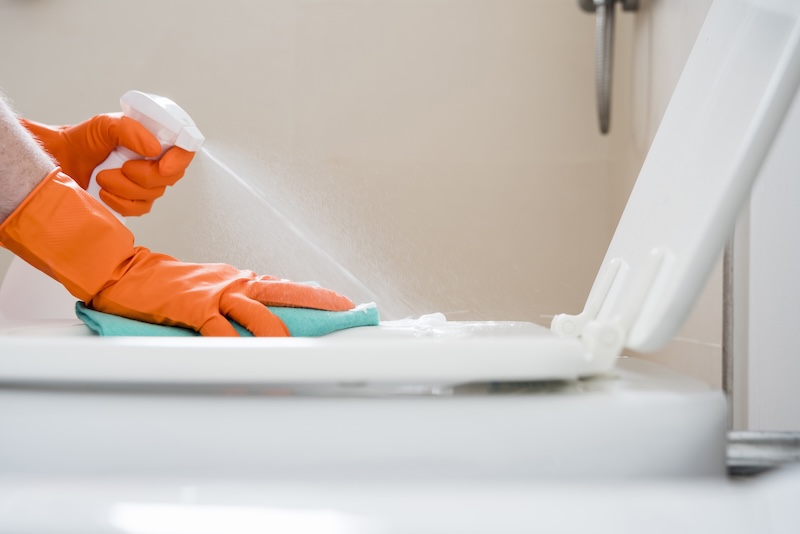
Many people reach for air fresheners or toilet stones. However, these often just mask the problem. The best solution is to target the sources of odors directly.
What really helps:
- Activated charcoal filters or open bowls with coffee grounds effectively absorb odors
- Regularly rinse the toilet brush holder with hot water or treat it with disinfectant
- A few drops of essential oil on the inside of the toilet paper roll provide a fresh scent with every use
These measures are not only effective but also affordable and quick to implement.
Tip 7: The Brush
The toilet brush takes a beating during cleaning. Yet it rarely cleans itself. Bacteria, fungi, and even fecal germs can accumulate in the bristles. An old brush can spread more germs than it removes.
What to keep in mind:
- Replace the toilet brush every 3 to 6 months
- Alternatively, switch to silicone toilet brushes, as they are water-repellent and germ-resistant
- Regularly rinse the holder with boiling water or disinfect it
Also, pay attention to drying: A well-ventilated holder significantly reduces germ load.
Bonus: The 60-Second Routine for Quick Touch-Ups
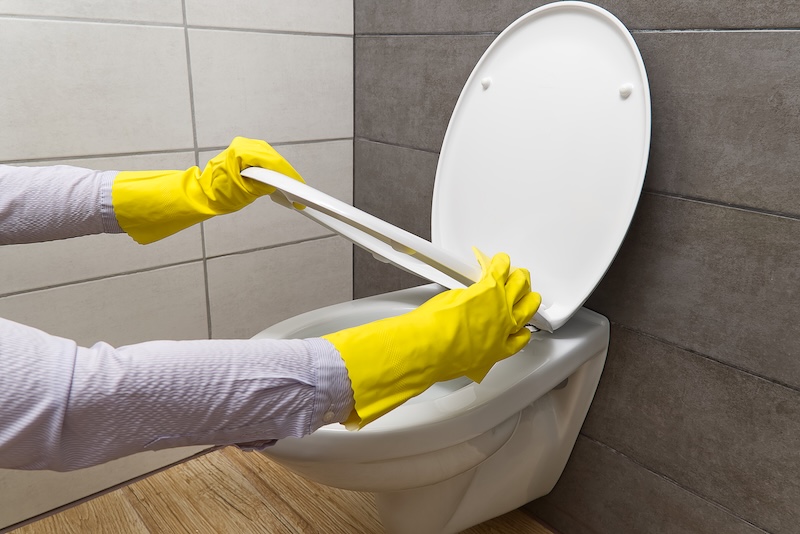
Sometimes, there just isn’t enough time for a thorough clean. Especially in households with multiple people or heavily used guest toilets, this can quickly become an issue. However, a quick daily routine can noticeably improve hygiene without much effort.
Why this works:
Regular micro-cleanings prevent dirt and germs from settling in. If you invest a few seconds each day, you’ll find you need to scrub less often. This not only saves time in the long run but also keeps your sanity intact.
The 3-Step Daily Routine:
- Quickly brush the interior. Especially after use, to avoid buildup.
- Wipe the seat and lid with a damp microfiber cloth. Use a bit of alcohol-based surface cleaner if needed.
- Spray the flush button and brush holder with disinfectant. Let it sit briefly, and you’re done.
This takes less than 60 seconds and keeps the toilet looking well-maintained between deep cleans. A simple routine with a big impact, especially in homes with kids or guests.
Conclusion
A clean toilet is more than just a visual goal – it’s a crucial factor for health and well-being in your home. Relying solely on shiny surfaces can quickly lead to overlooking the spots where germs thrive: under the rim, in the brush holder, or inside the cistern. This is where the expert tricks come into play.
The good news is that achieving maximum hygiene doesn’t require expensive specialty cleaners or hours of scrubbing. What matters is how and with what you clean. By using the 3-Zone Method, strategically employing household remedies, and choosing the right time to clean, you can get much more out of every cleaning session. Even simple daily routines (like the 60-second micro-cleaning) can make a significant difference over time.
Once you experience how much more hygienic a professionally cleaned toilet feels, you’ll quickly realize: it’s worth paying attention to more than just the appearance of your toilet. Whether you roll up your sleeves yourself or enlist the help of an experienced cleaner, with the right know-how, your bathroom can be not just clean, but truly hygienic.
Because true toilet hygiene begins where the eye can’t see.