
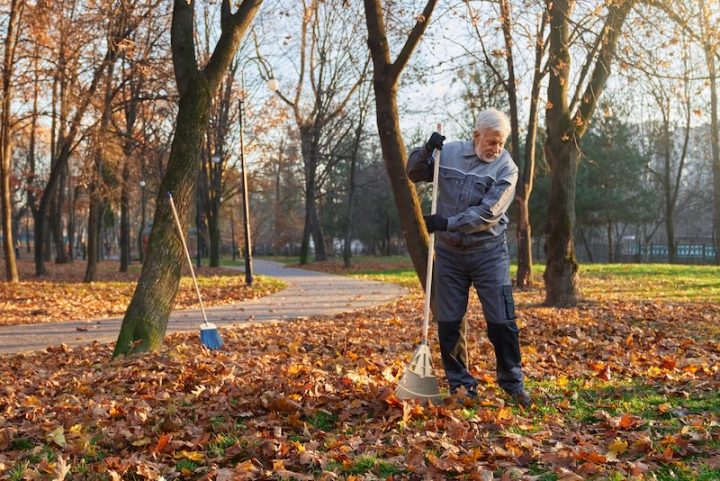
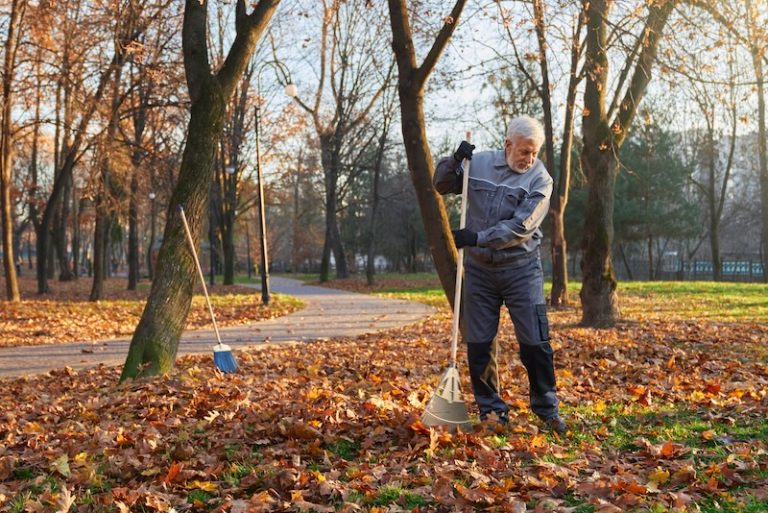

Autumn dresses our gardens in vivid shades of red, orange, and yellow, creating a picturesque landscape. But this colourful display leaves many homeowners wondering whether to rake up the fallen leaves or simply let them lie. Each choice has its own benefits and affects both the health of the garden and the surrounding environment.
This article aims to shed light on the pros and cons of both options, so you can make an informed decision that suits your needs and preferences. And for anyone who prefers a tidier garden, Helpling is on hand to help you rake and dispose of your autumn leaves while you get your outdoor space ready for the colder months.
Raking leaves: wait until they’ve all fallen

Autumn leaves enrich the soil with nutrients and support a healthy ecosystem. The problem arises when leaves pile up too thickly and start to smother the lawn. Researchers have developed guidelines for knowing when it’s time to rake. If less than 50% of the lawn is covered in leaves, raking isn’t necessary, though it’s a good idea to run the mower over them to mulch them up. Once leaf cover exceeds 50%, it’s time to get the rake out!
Steps for an effective autumn clean-up:
- Use your lawnmower: with less than 50% leaf cover, your mower will shred the leaves, returning nutrients and organic matter to the lawn.
- Wait until all the leaves have fallen: don’t start raking too soon; a few leaves won’t harm the lawn. Break the job into sections and tackle it area by area.
- Choose the right tools: a good rake and a proper pair of gloves can prevent blisters and make the work easier.
- Stretch first: warm up before raking to avoid sore muscles; a 10-minute warm-up is recommended.
- Work in short bursts with breaks: use short strokes and switch sides to avoid overexertion.
- Use the wind to your advantage: on windy days, work with the wind and build smaller piles.
- Don’t rake wet leaves: wet leaves are heavy and sticky, making the job much harder.
If you need professional help with your autumn clean-up, you can find garden helpers through Helpling to rake and dispose of your autumn leaves for you.
Avoid raking wet leaves
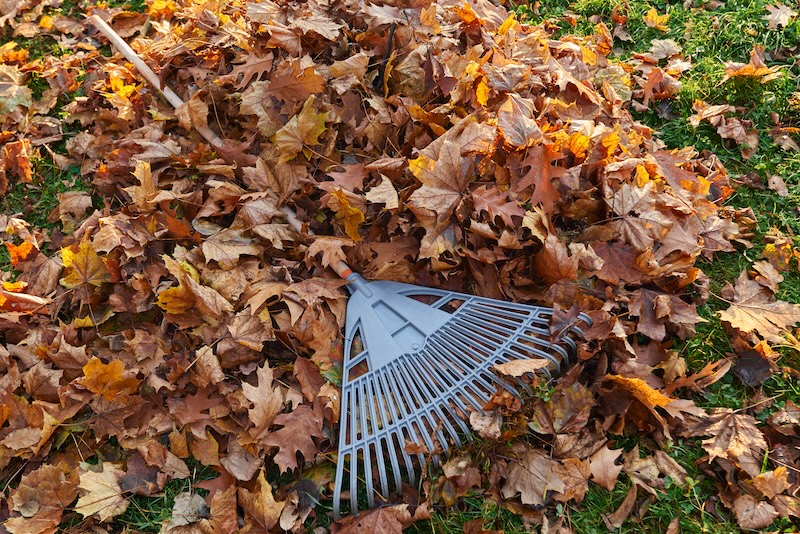
Wet autumn leaves can be a real challenge. When damp, leaves stick together and become heavy, making raking and collecting them much harder. What’s more, damp leaves gathered into piles can quickly turn mouldy, leading to unpleasant smells and potential health risks.
Here’s why you should avoid raking wet leaves:
- Difficult to handle: wet leaves are heavy and sticky, turning raking into a tiring, strenuous chore.
- Mould growth: wet leaves collected into a pile can quickly go mouldy and start to rot, causing unpleasant odours and an unhealthy environment.
- Slip hazard: wet leaves can be very slippery on paths and driveways, increasing the risk of accidents.
That said, if you have no choice but to rake wet leaves, try to make small piles and dispose of or compost them as quickly as possible to minimise mould growth and the risk of accidents. Timing and technique are key to getting the job done efficiently and safely. While raking wet leaves is never ideal, it’s sometimes unavoidable, especially when heavy rain follows a spell of autumn weather. Even so, always proceed carefully to keep your garden in good shape throughout the season.
Leave the autumn leaves where they are: enjoy a healthier garden
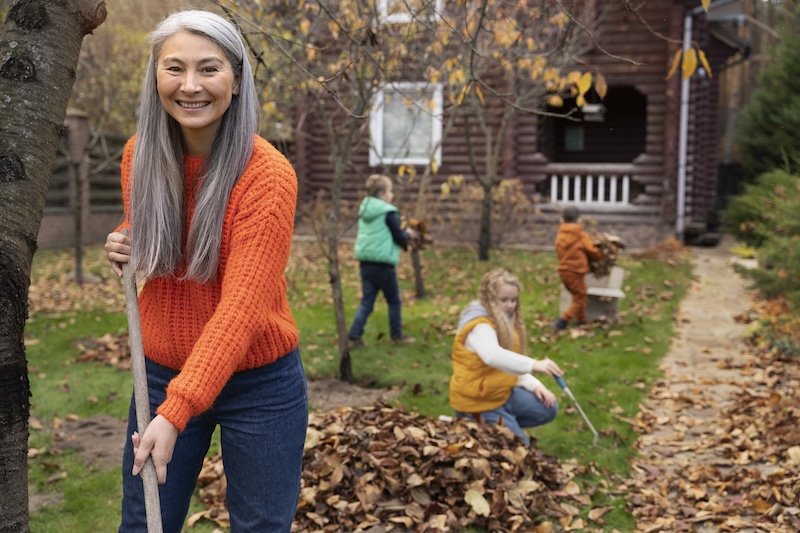
Leaving the leaves where they fall can actually bring a whole range of benefits to your garden. Autumn leaves are a natural source of nutrients and organic matter that enrich the soil and help retain moisture. They also act as a natural mulch, protecting the soil from erosion.
Here are a few reasons you might want to leave the leaves:
- Natural fertiliser: fallen leaves break down into humus, which feeds the soil.
- Winter protection for plants: autumn leaves form an insulating layer that shields plants from frost.
- Supporting biodiversity: a pile of leaves can provide shelter for small animals like hedgehogs and is a home for beneficial insects.
- Time saved: you save the time and energy you’d otherwise spend raking and disposing of the leaves.
Use them as compost for your garden

It might seem strange to leave autumn leaves in the garden, but leaves can act as a natural fertiliser and improve soil health. They’re rich in nutrients and organic material that enrich the soil as they break down.
Autumn leaves offer the following benefits as compost:
- Soil protection: leaves shield the soil from erosion and drying out, and provide a protective layer against winter cold.
- Nutrient enrichment: as they decompose, leaves release valuable nutrients into the soil, improving its fertility.
- Boosting biodiversity: a pile of leaves is a haven for countless small animals and insects that contribute to soil health.
If you decide to use your leaves as compost, it’s best to shred them with a lawnmower first to speed up decomposition. Be sure to spread the leaves evenly too, so they don’t pile up too thickly and smother the lawn underneath.
By preserving your autumn leaves, you’re not only supporting a healthy garden ecosystem but also helping protect the environment. So think twice before reaching for the rake next time! Let the leaves lie, and set your garden up for a great spring.
Autumn leaves on paving: pros and cons

Autumn leaves on paving stones and slabs come with both advantages and drawbacks.
Pros of autumn leaves on paving:
- Aesthetics and natural charm: autumn leaves add a warm, natural colour palette that enhances the look of the garden and paved areas.
- Soil protection: leaves can protect the ground from frost and help prevent weeds from growing.
- Ecological benefit: leaves offer shelter to small animals and insects, and act as a natural fertiliser as they decompose.
Cons of autumn leaves on paving:
- Slip risk: wet leaves can be very slippery on paving stones, increasing the risk of accidents.
- Trapped moisture: leaves can trap moisture, which can lead to mould and rot, damaging paving stones and slabs.
- Extra work: regularly clearing leaves can be time-consuming, especially over larger areas.
Autumn leaves on paving stones and slabs bring both beauty and challenges. While colourful leaves look natural and appealing, the potential downsides, slip hazards, and trapped moisture shouldn’t be underestimated, so it’s worth taking the right precautions. With that in mind, enjoy the autumn season, and handle those leaves safely!
Conclusion
Before you set out to clear the autumn leaves from your garden, take a moment to appreciate the beautiful display of colour. The vibrant reds, oranges and yellows are a real feast for the eyes and a symbol of the beauty of change and transience. That said, it’s wise to remove or make use of the leaves after admiring them, to avoid accidents and damage. That way, you can make the most of the autumn season while keeping your garden well cared for.