


A shower is more than just a place for personal hygiene; it’s a sanctuary where cleanliness, health, and well-being intersect. However, showers often become breeding grounds for limescale, soap scum, mold, and dirt. These buildups are not only unsightly but can also pose health risks. According to the Health Portal of the Federal Ministry of Health, germs and bacteria thrive in damp environments, potentially leading to skin infections and other health issues.
Mold, in particular, can be a major problem, settling into the corners and seams of your shower. Mold spores are everywhere and find the warm, moist environment of the shower perfect for growth. Once established, mold can leave unsightly stains and trigger allergic reactions and respiratory conditions like asthma or bronchitis.
But don’t worry! With the right techniques and a bit of patience, you can clean your dirty shower and restore it to a hygienic state. In this article, we’ll share eight tried-and-true tips that not only deliver immediate results but also ensure a clean and healthy shower in the long run. Let’s get started!
The 8 Best Tips for Cleaning Your Seriously Dirty Shower

Next, we’ll explore the eight best tips to help you clean your dirty shower and make it sparkle again. We’ll cover both effective home remedies and powerful methods that can tackle even the most stubborn limescale, soap scum, and dirt. This way, you’ll find the right solution for every surface and type of grime.
Tip 1: Pre-rinse with Warm Water
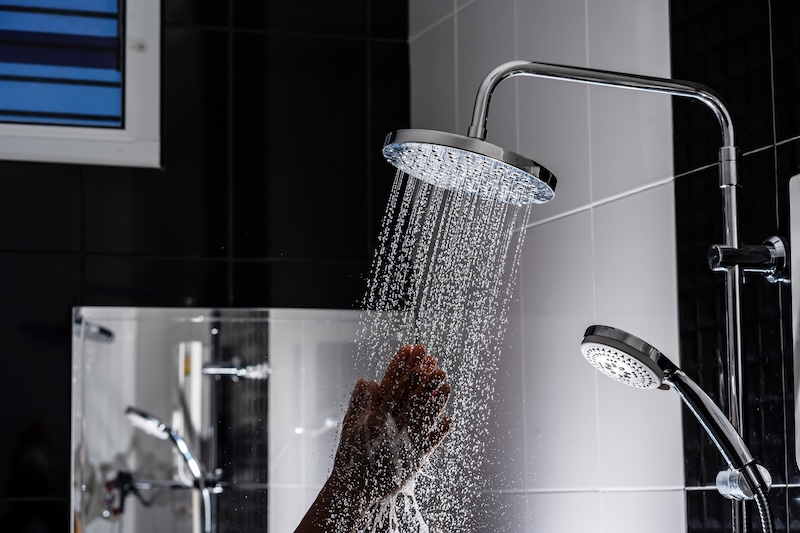
Before reaching for cleaning products, it’s a good idea to rinse the shower briefly with hot water. This helps dissolve grease, soap scum, and surface dirt, preparing the surfaces for stronger cleaning agents. Fixtures, showerheads, and seams will benefit the most: limescale particles soften up, making them easier to remove later.
- How to Apply: Start at the top of the shower and work your way down systematically. This prevents dirty water from splashing onto already cleaned areas. Let the water run for a few minutes to soften the limescale and soap scum. (After this, you can move directly to Tip 2 or 3.)
- Benefit: You’ll need fewer harsh chemicals, which protects glass and tiles while making cleaning more effective.
- Pro Tip: Aim the water at hard-to-reach spots, like the corners of the shower or the seams between tiles.
If you don’t have the time or experience to clean your shower thoroughly, consider hiring a professional cleaner. This way, you can avoid stress, health risks from mold, and still achieve a sparkling clean result.
Tip 2: Use a Natural Anti-Limescale Combination
When cleaning your dirty shower, you might encounter stubborn limescale. But don’t fret! A mixture of vinegar and citric acid works wonders for removing tough limescale. Both ingredients are natural descalers that are gentle on glass, fixtures, and tiles. Spray the mixture generously on the affected areas and let it sit for a few minutes. Then simply wipe it off with a microfiber cloth, and you’ll see that even the toughest limescale stains often come off without much scrubbing.
- How to Apply: Mix the solution in a spray bottle and generously spray all limescale deposits. For particularly thick layers of limescale, cover the spots with plastic wrap for a more intense effect. After letting it sit for 10–15 minutes, just wipe it off with a sponge or cloth.
- Benefit: Unlike many commercial descalers, this mixture won’t damage surfaces and is environmentally friendly.
Tip 3: Use Microfiber Pads and Toothbrushes for Hard-to-Reach Spots
Dirt and soap scum often accumulate in places that are hard to reach with regular cloths. Here, small tools like microfiber pads or old toothbrushes come in handy. They allow you to clean fixtures, showerheads, and especially seams precisely. This way, you can effectively eliminate dirt and limescale.
- How to Apply: Apply a bit of mild cleaner to the microfiber pad. Work systematically along the seams or around fixtures. Small circular motions will help dislodge even deeply embedded deposits. You can also target showerheads to remove limescale.
- Benefit: You’ll use less chemical cleaner and can focus on the dirty areas.
- Pro Tip: Clean the pads or brushes thoroughly after each use to prevent bacteria buildup.
Tip 4: Steam Cleaner for Seams and Silicone Joints
A steam cleaner penetrates deep into pores and seams, effectively reducing mold spores and bacteria without chemicals. This method is particularly suitable for silicone seams, as it cleans deeply without damaging the material.
- How to Apply: Start in the corners of the shower and work your way slowly forward. Hold the steam cleaner on each spot for 1–2 seconds before moving to the next one. After treatment, wipe the seams with a dry cloth to remove any loosened dirt.
- Benefit: Effectively reduces germs and mold while saving on cleaning products and reducing odors in the bathroom.
- Important: Test the steam cleaner on an inconspicuous area first to ensure the silicone can withstand the heat.
By the way, regularly cleaning your shower drain also benefits your seams: a clean drain reduces dirt accumulation in seams.
Tip 5: Baking Soda Paste for Stubborn Soap Scum
Soap residues often create a stubborn film on tiles and glass. Baking soda has a mild abrasive effect, gently removing these residues and making your task of cleaning a dirty shower much easier.
- How to Apply: Mix baking soda with a bit of water to form a paste, apply it to the soap scum, and let it sit for a few minutes. Lightly scrub with a plastic spatula and rinse thoroughly.
- Benefit: No scratches on tiles or glass, and effective cleaning even after long neglect.
- Pro Tip: Combine the baking soda paste with a microfiber cloth for particularly stubborn spots.
Tip 6: Clean the Shower Partition with Newspaper

For streak-free cleaning of glass surfaces, use slightly dampened newspaper.
- How to Apply: Lightly dampen the newspaper and rub the glass in circular motions. For particularly stubborn limescale stains, you can moisten the paper with a bit of vinegar water. Finally, just polish with a dry cloth.
- Benefit: This method has two major advantages: first, it doesn’t leave an unpleasant shine or limescale film, like many cloths do. Second, the rough texture of the paper gently polishes the glass while removing small dirt particles.
Tip 7: Preventive Drain Cleaning
When cleaning your dirty shower, don’t forget about the shower drain. Drains can quickly become clogged with hair and soap residues. Simple home remedies like vinegar and baking soda help regularly dissolve buildup. Additionally, using special strainers can prevent hair from going down the drain.
- How to Apply: Once a week, pour a mixture of vinegar and baking soda down the drain, let it sit for 15 minutes, and then flush with hot water. This prevents buildup before it becomes a problem.
- Benefit: Prevents clogs and reduces unpleasant odors.
- Pro Hack: Regularly remove the drain cover and clean it mechanically. This keeps the drain clean over time.
Tip 8: Regular Mini-Cleaning Instead of Rare Deep Cleans

Instead of extensive cleaning sessions, a quick weekly routine is recommended. A squeegee, a damp cloth, or a light spray after each shower can prevent the buildup of dirt, limescale, and soap scum.
- How to Apply: After each shower, simply squeegee the tiles and wipe fixtures with a damp cloth. This small routine prevents dirt from settling and significantly reduces the cleaning effort needed for your next thorough clean.
- Benefit: Reduces deposits and greatly decreases the need for chemical cleaners.
- Pro Tip: Just a few minutes of effort each day can save time and materials in the long run.
If you prefer not to clean your shower yourself or don’t have the time, you can hire a professional cleaner. They will not only take care of the thorough cleaning of the shower drain and the shower itself but also clean your toilet and other bathroom areas. This way, your bathroom stays hygienically clean without you having to put in much effort.
Conclusion
A seriously dirty shower doesn’t have to be an insurmountable problem. With the eight tips outlined above, you can effectively remove stubborn buildups like limescale, soap scum, or mold while significantly improving the hygiene of your bathroom. The combination of home remedies like vinegar, citric acid, and baking soda, targeted tool use with microfiber pads or toothbrushes, and innovative methods like steam cleaners or newspaper ensures that every surface is well cared for.
Regular maintenance is especially important: short routines after each shower prevent dirt and limescale from settling in the first place. This way, you’ll save on cleaning effort in the long run and reduce the need for harsh chemicals.
If you don’t have the time or prefer professional support, hiring a cleaner can be a smart solution. They ensure that your shower is sparkling clean while also taking care of the shower drain, toilet, and other areas of your bathroom. This keeps your bathroom hygienic and pleasant to use without requiring much effort on your part.
With these strategies, a clean, healthy, and well-maintained shower is within reach. Regular, targeted cleaning protects your health, saves time, and creates a fresh bathroom experience.