
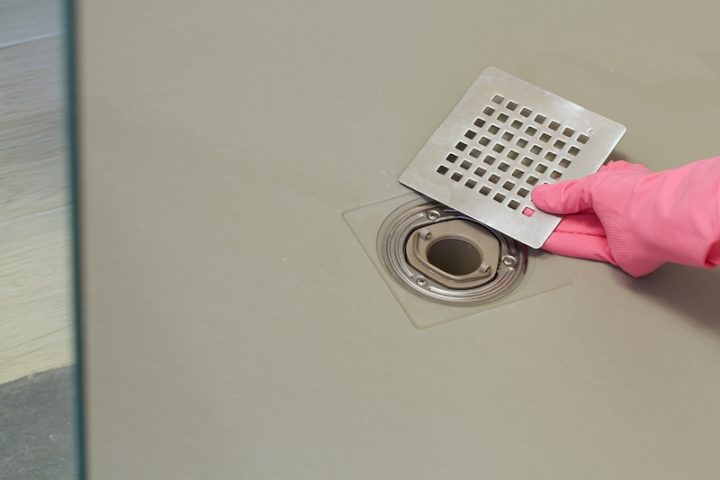
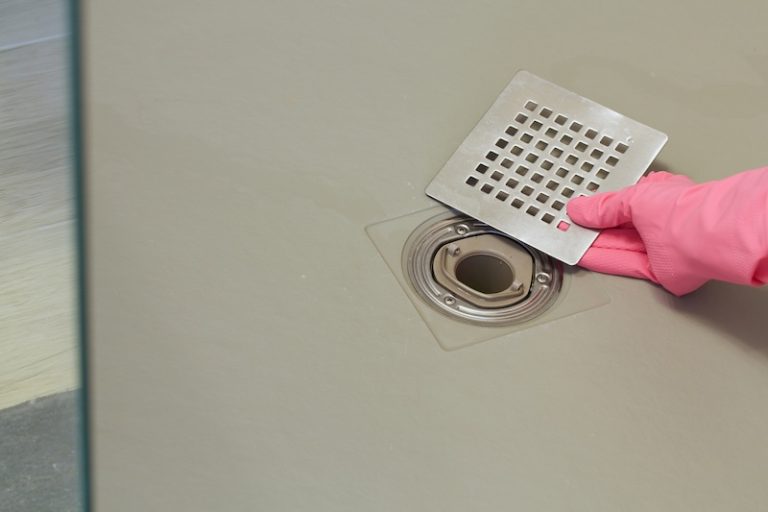

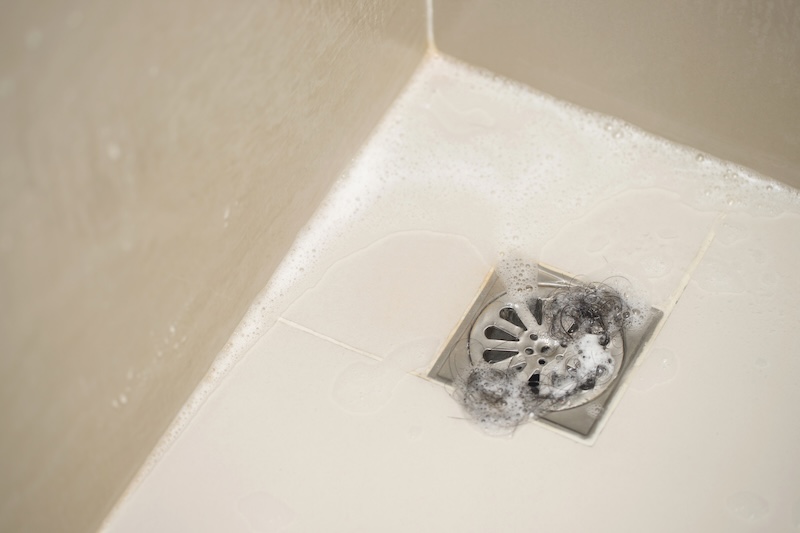
It starts slowly. Water begins to pool a little longer while you shower. A musty smell lingers in the air. A quick peek into the drain reveals hair, soap scum, and perhaps some initial buildup. You think it’s not an emergency, at least not yet. But here’s the opportunity: if you act now, you can save yourself from a costly drain cleaning later.
Many people only clean their shower drains when they’re already clogged. This is completely avoidable. The drain is a hotspot for hygiene, quickly accumulating dirt, bacteria, and biofilm. What seems harmless on the surface can lead to unpleasant odors, standing water, or even water damage in the long run.
This article will guide you on how to clean your shower drain the professional way. The goal isn’t just to prevent a looming clog but to keep your drain clear, hygienic, and odor-free for the long haul.
In this article, you’ll learn:
- which tools are the most effective to use
- how often to clean to prevent buildup
- which methods are effective and which are a waste of time
- and what to watch out for to avoid common mistakes
These tips are quick to implement, requiring no harsh chemicals or heavy lifting. And if you’re unsure if you’re doing it right, an experienced cleaner can help you tackle stubborn grime safely and hygienically.
Why Your Shower Drain Gets Dirty and What Happens Next
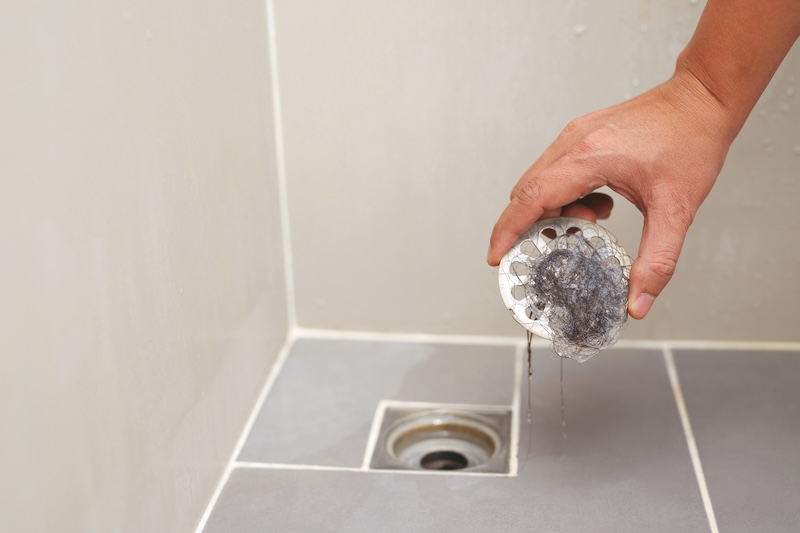
If you shower regularly, you’re not just moving water but also a mix of hair, skin flakes, soap residue, shampoo, and body oil:
- These residues accumulate in the drain over time. Especially when combined with hard water, they form a layer known as biofilm. This sticky, moist mixture clings to the walls of the pipes.
- What seems harmless at first can quickly spiral out of control. Water flow slows down, and unpleasant odors develop.
- Over time, this creates ideal conditions for bacteria and mold spores. Many people only notice when it’s already too late.
Compared to sinks or kitchen drains, shower drains bear a heavier load. Hair is the most common culprit here. It combines with soap residue to form small clumps that get stuck in the drain and grow larger over time. While kitchen drains typically deal with grease or food scraps, showers mainly contend with this mix of organic material and product residues.
This is why prevention is so crucial. Regular cleaning not only eliminates odors but also ensures that water flows freely again.
How Often Should You Clean Your Shower Drain?
There’s no one-size-fits-all cleaning schedule for every household. Usage habits vary widely. However, here are some general guidelines you can follow:
- Surface cleaning like removing visible hair should be done weekly. It’s especially worthwhile to take a quick look after washing your hair.
- Deeper cleanings, where you tackle the trap and deeper buildup, should be done every 4 to 6 weeks.
In a family bathroom, you might need to clean more frequently. More residue flows through the drain daily than in a single-person household. If you have long hair or use many products, check more often.
Most importantly, don’t wait until the water is ankle-deep. If your shower drain is completely clogged, these tips won’t help. In that case, we recommend our detailed guide on dealing with a clogged drain, which walks you through how to safely resolve stubborn blockages step by step.
Unsure how to clean your shower drain properly? Leave it to the experts: professional cleaners not only know when cleaning is necessary but also have the best tips and tricks. So you can sit back and enjoy a clean bathroom.
5 Essential Tips from the Pros for Cleaning Your Shower Drain
Now that you understand why buildup forms in your shower drain, how biofilm develops, and how regular maintenance helps avoid bigger issues, it’s time to put that theory into practice. Let’s get started!
Tip 1: Tools & Helpers: What You Need to Clean Your Drain
Preparation is key. It saves time and stress. Using the right equipment makes cleaning your drain much easier. Here’s what you’ll need:
- Hair Catcher: It may sound simple, but nothing prevents clogs better. A simple strainer in the drain catches hair and soap scum before they reach the pipes. Remember to empty it regularly and rinse it under hot water.
- Rubber Gloves: Essential when dealing with hot water, chemical cleaners, or residues. They also give you a better grip when removing covers or inserts.
- Drain Snake: Perfect for mechanically removing deep-seated debris. Models with small hooks or brush heads are especially effective for hair clumps.
- Toothbrush or Pipe Brush: Great for those hard-to-reach spots right at the drain. Residues often accumulate around the strainer or trap.
- Bowl of Hot Water: Often underestimated, but a game-changer for cleaning. Heat dissolves grease and soap residues much more effectively than cold water.
- Optional: Vacuum with Blowing Function: More for advanced DIYers. Important: Only use on a dry pipe system and never with liquids.
- Tip for Frequent Cleaners: A small box with the “Top 5 Tools for Drain Cleaning” saves time in the long run. When everything is within reach, cleaning becomes a routine.
Next, we’ll show you how to perform an effective deep clean using simple household items, without harsh chemicals. Ready for Tip Number 2?
Tip 2: Clean Your Shower Drain with Household Items: Eco-Friendly & Effective
Household items have multiple advantages: they’re inexpensive, gentle on the environment and materials, and flexible in use, provided you know how. The following combinations have proven particularly effective:
- Vinegar and Baking Soda: Baking soda is no longer a secret cleaning weapon, and when paired with vinegar, it’s one of the most well-known mixtures. And for good reason: the reaction power dissolves even stubborn residues.
- How to do it: Sprinkle about four tablespoons of baking soda directly into the drain. Then pour in half a cup of vinegar. It will fizz and foam. Let the mixture sit for at least 15 minutes, then flush with a liter of boiling water.
- Dish Soap and Hot Water: This combination works quickly and reliably against greasy residues.
- How to do it: Add two squirts of dish soap directly into the drain, then follow with about a liter of boiling water. This is especially useful after washing your hair.
- Citric Acid: Antibacterial, odor-neutralizing, and ideal for light odors in the bathroom.
- How to do it: Dissolve a teaspoon of citric acid in hot water and flush the drain. Repeat if necessary.
- Salt and Baking Powder: A gentle alternative for superficial residues.
- How to do it: Simply mix two tablespoons each of salt and baking powder and pour them dry into the drain. After 10 minutes, flush with hot water.
Another advantage: Many of these household items can also be used for cleaning the entire shower cabin. Limescale, soap residue, and light discoloration can often be removed without much effort. So if you’re already cleaning, you can treat the shower tray, fixtures, and glass surfaces at the same time.
Important: Avoid using these household methods simultaneously with chemical drain cleaners. Household items and chemicals can neutralize each other or even react dangerously. If you’ve already used a chemical product, wait at least 24 hours before using household items.
Tip 3: Chemical Cleaners: When They’re Useful and When They’re Not
Chemical drain cleaners have their place in the bathroom. They can be effective, especially for stubborn clogs caused by greasy soap residues, deep pipe buildup, or heavy biofilm. However, it’s essential to use the right product carefully and purposefully.
There are two main types:
- Enzymatic Cleaners: These work biologically. They use microorganisms to break down organic residues like hair or soap scum. They act more slowly but are more environmentally friendly and less aggressive on pipe materials.
- Classic Chemical Cleaners: These dissolve residues using caustic substances like sodium hydroxide. They work faster but come with risks for both the environment and your health.
If you choose a chemical cleaner, be sure to follow these safety rules:
- Wear rubber gloves and keep children and pets away.
- Ventilate the bathroom well during and after use.
- Never combine chemical cleaners with household items. Reactions with vinegar, citric acid, or baking soda can produce dangerous fumes.
- Do not use multiple products in succession. If one cleaner doesn’t work, rinse thoroughly with plenty of water before trying something else.
Don’t underestimate the environmental aspect either. Residues from chemical drain cleaners enter wastewater treatment plants, and depending on the active ingredient, not all can be completely filtered out. Regularly using harsh chemicals not only burdens your bathroom but also contaminates groundwater.
A good compromise: use chemical cleaners only as a last resort. And when you do, target them specifically, such as for heavy biofilm or when clogs have already settled deep in the pipes.
Tip 4: Odors from the Shower Drain: Causes & Immediate Solutions
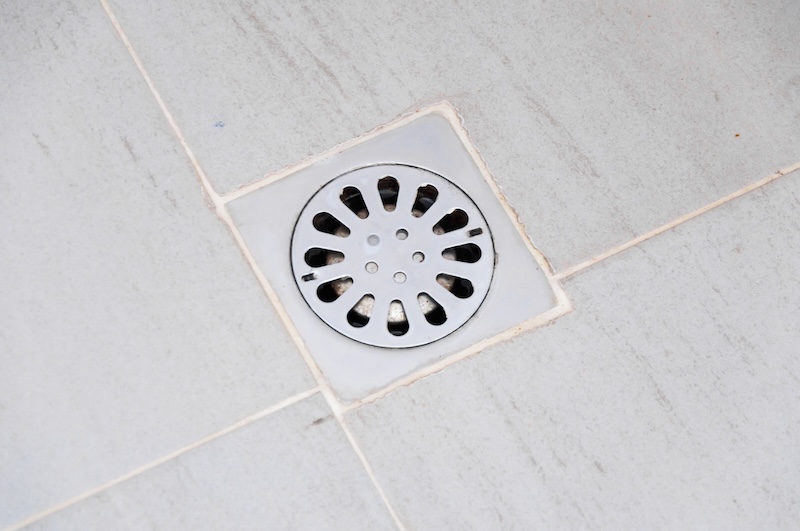
A smelly drain is not just unpleasant; it often indicates poor ventilation, soap residues, or biofilm in the trap. Especially in rarely used showers, water can stagnate in the pipes, leading to foul odors. Even in regularly used showers, hair, grease, and shower gel residues can form a slimy film over time, releasing unpleasant gases.
Fortunately, there are immediate solutions that don’t involve harsh chemicals:
- Vinegar and Lemon Peel: Pour half a cup of vinegar along with some fresh lemon peel down the drain. Let it sit for about 15 minutes, then flush with hot water. The acid in the vinegar breaks down residues while the lemon neutralizes odors.
- Dish Soap and Hot Water: For greasy residues, a teaspoon of dish soap directly in the drain, followed by about a liter of boiling water, often does the trick.
- Coffee Grounds or Activated Charcoal: Both are known for their odor-absorbing properties. Fill a small cloth bag with dry coffee grounds and place it near the shower. Alternatively, a bag of activated charcoal, like those used to eliminate odors in refrigerators, works well too.
However, lasting freshness in the bathroom doesn’t come from one-time measures. Long-term solutions include:
- Regular cleaning of the drain and shower cabin
- Ventilating after showering to avoid moisture and fermentation
- Maintaining the trap, for example, with a vinegar-water mix or an enzymatic cleaner once a month
Tip 5: Prevention: How to Keep Your Drain Clear Long-Term
Many drain issues don’t develop overnight; they build up gradually. Soap residues, hair, grease particles, and skin flakes accumulate on the walls of the pipes over time. If you start early, you can save yourself a lot of hassle later.
These measures are reliably effective:
- Use a Hair Catcher: A strainer in the shower drain is one of the simplest yet most effective methods. It catches hair and larger residues before they can even enter the drain.
- Pour Hot Water Weekly: Once a week, pour about two liters of boiling water directly into the drain. This flushes away greasy or soapy residues before they can settle.
- Remove Residues After Showering: If hair or soap residues are left in the shower tray, they often end up in the drain during your next shower. Take a moment to remove visible residues right after showering.
- Mechanical Cleaning: Even without clogs, it’s worth running a flexible drain brush or a small snake through the trap about once a month. This prevents biofilm from forming.
- Don’t Leave Shampoo and Shower Gel Residues: What sits at the bottom of the shower or in the corner of the drain will decompose over time. Instead, rinse with the showerhead and let everything flow away.
Conclusion
A clean drain isn’t a matter of luck; it’s the result of regular maintenance. Understanding how dirt develops in your shower drain allows you to take preventive measures and avoid costly repairs or unpleasant odors. The good news is that many of these actions can be quickly implemented with simple household items, a bit of discipline, and the right tools. And you can do it all without harsh chemicals or hours of scrubbing.
However, not everyone has the time or knack for thorough drain cleaning. That’s where professional help comes into play. An experienced cleaner can quickly identify where buildup is hiding, which cleaning method is appropriate, and how to proceed hygienically and gently. The result: a bathroom that not only looks clean but is also hygienically safe.
If you want to be on the safe side, let the professional cleaners handle it. This way, your shower drain stays clear, and you can enjoy a fresh, well-kept bathroom without any unpleasant surprises.