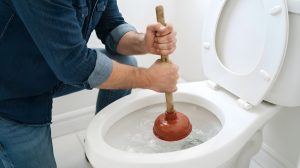



It could be that your apartment looks tidy. The floor has been vacuumed, the kitchen looks organized. Yet somehow, your home does not feel truly clean. Many people experience this, even with regular cleaning.
The reason often lies in a misunderstanding. Regular cleaning and deep cleaning are often equated, but they serve different purposes and operate on different levels. Without knowing the difference, it is easy to wonder why cleanliness does not last.
Many underestimate that visible order does not automatically mean thorough hygiene. Dust in corners, limescale in grout, or dirt behind furniture often goes unnoticed in daily routines. Over time, this creates the feeling that something is missing, even if you clean regularly.
In this article, you will learn:
- What is included in routine household cleaning
- Which tasks deep cleaning covers
- When regular cleaning is sufficient
- And in which situations an intensive cleaning is worthwhile
Understanding these differences helps you choose the cleaning type that fits your lifestyle, saves time, avoids unnecessary effort, and ensures your home feels genuinely clean.
What Is Regular Household Cleaning?
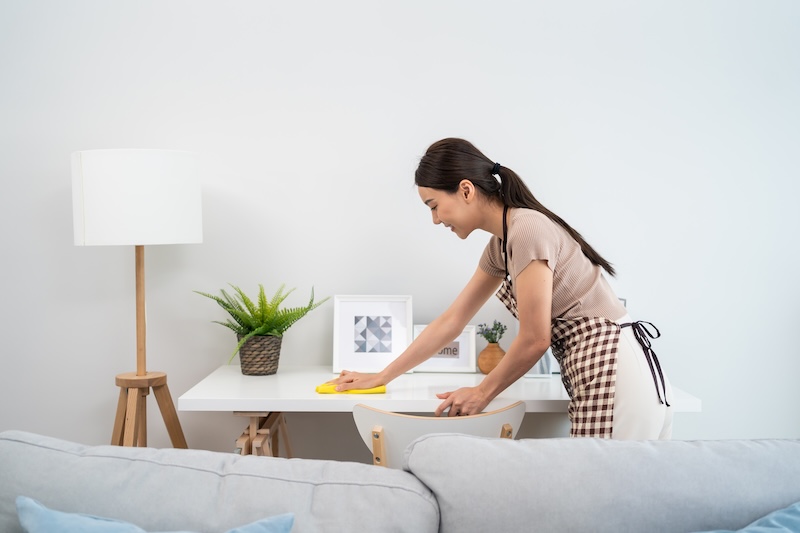
Household cleaning is the regular, recurring cleaning of your home. Its goal is to maintain essential areas so that no visible dirt accumulates in daily life. The focus is on order, cleanliness, and keeping the home livable at all times.
The purpose is not to perform deep cleaning of individual spots. Instead, it preserves the current state, ensuring that rooms look clean, surfaces remain maintained, and household routines function smoothly without extra effort.
Typical Household Cleaning Tasks
Household cleaning follows a clear, recurring routine that should ideally be coordinated with your cleaning service. Common tasks include:
Floors:
- Vacuuming and mopping all used rooms
Dusting:
- Dusting furniture, shelves, and accessible surfaces
Kitchen:
- Cleaning countertops
- Wiping the stove and sink
- Emptying the trash
Bathroom:
- Cleaning sinks, toilets, and showers
- Wiping mirrors
Additionally, general tidying is part of the process. Items are returned to their places, and rooms look organized and welcoming. A cleaning service can make this routine simple and stress-free.
How Often Is Household Cleaning Recommended?
For most households, weekly or biweekly cleaning is sufficient. The frequency depends on how heavily the home is used. Regular household cleaning is particularly valuable for working professionals, families, and homes with pets.
Benefits of Regular Household Cleaning
A fixed cleaning routine provides clear advantages:
- The home remains consistently clean
- Daily cleaning time is reduced
- Mental stress from unfinished tasks decreases
What Is Deep Cleaning?
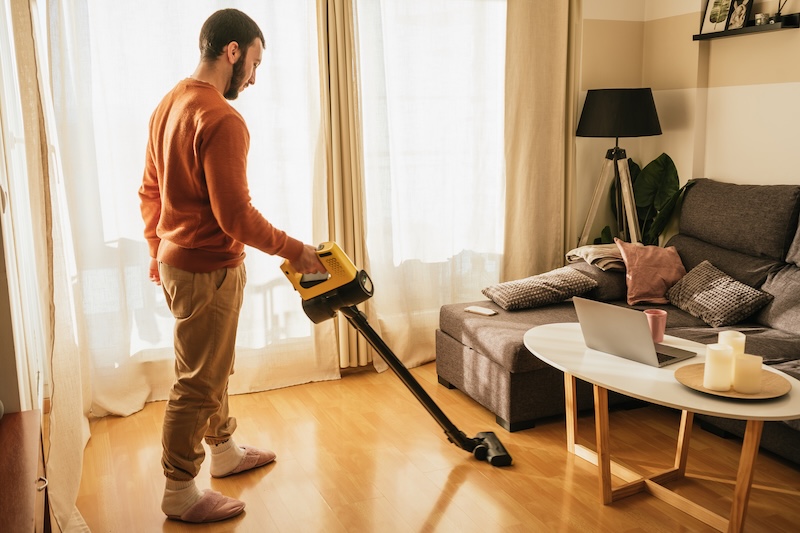
Even after regular household cleaning, there are areas that often remain untouched. This is where deep cleaning comes in.
Deep cleaning is an intensive, thorough cleaning of your home. It focuses on areas not regularly addressed during household cleaning and targets stubborn, often hidden dirt.
Deep cleaning does not replace household cleaning; it complements it. The goal is to reset the home to a truly clean state, removing deposits that have built up over months.
Typical Deep Cleaning Tasks
Deep cleaning focuses on areas that require more time and effort:
- Scrubbing bathroom and kitchen grout
- Removing limescale and grease buildup
- Cleaning behind and under furniture and appliances, such as refrigerators, stoves, and washing machines
Additional tasks include:
- Cleaning baseboards, doors, and door frames
- Dusting radiators, vents, and hard-to-reach areas
- Thoroughly cleaning windows and frames
These tasks ensure deep hygiene and a visibly well-maintained overall appearance. They are often skipped in daily routines because deep cleaning is time-intensive.
Regular Household Cleaning vs. Deep Cleaning: Key Differences
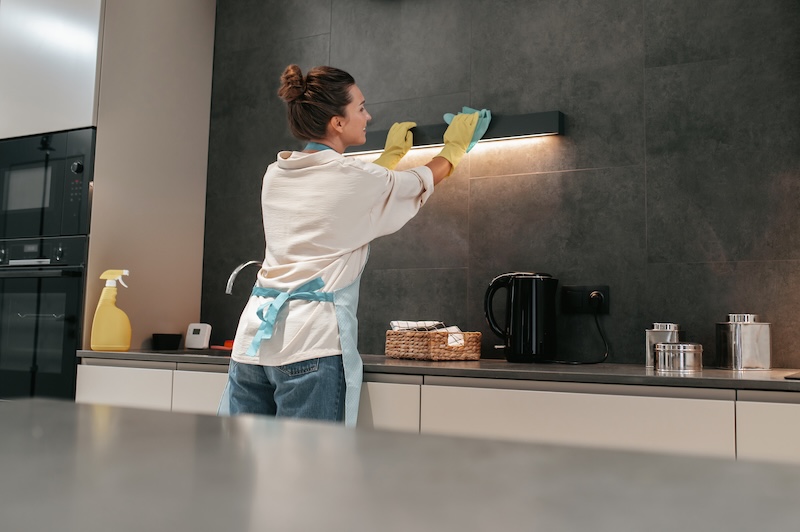
Now that we have explained both types of cleaning, it is clear why they are often confused:
- Both contribute to cleanliness
- Both have a defined role in maintaining a home
- Yet, they serve very different purposes
1. Frequency
The main difference lies in frequency. Household cleaning is ongoing and keeps the home consistently clean. Deep cleaning is performed occasionally and is a single, intensive effort.
2. Type of Cleanliness
Household cleaning focuses on visible cleanliness. Floors are maintained, surfaces are clear, and the home looks tidy. Deep cleaning goes further, removing hidden dirt that accumulates over time.
3. Time Required
Household cleaning is easy to integrate into a weekly routine. It is predictable and manageable. Deep cleaning requires significantly more time, preparation, and effort.
4. Impact
The effects also differ. Household cleaning is preventive, keeping dust, grease, and limescale from building up. Deep cleaning is corrective, tackling areas that have already accumulated dirt or been neglected.
When Is Each Cleaning Type Recommended?
When Regular Household Cleaning Is Sufficient
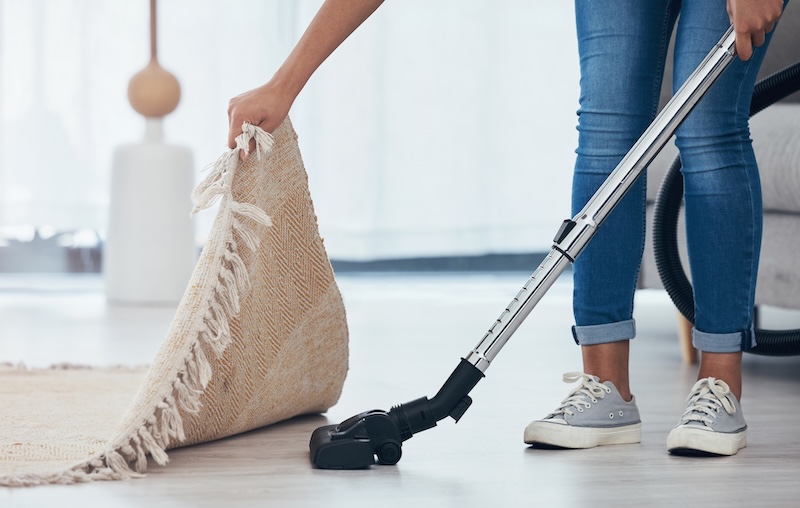
Household cleaning is ideal when your home is already in a generally clean and tidy state. The goal is to maintain this condition.
It is especially useful for those with limited time due to work, family, or other commitments. A regular cleaning routine reduces stress and prevents tasks from piling up.
Typical situations where household cleaning is enough:
- The home is used regularly
- Order and cleanliness should remain constant
- Preventing build up of dirt and dust
When Deep Cleaning Is Needed
Deep cleaning is appropriate when the home requires a reset. This occurs when dirt has accumulated over time or special circumstances arise.
Typical situations include:
- Moving in or out
- After renovation work
- Extended periods without thorough cleaning
- Heavy soiling
- Allergies or high hygiene requirements
In these cases, routine household cleaning is no longer enough. Hidden deposits must be removed.
How Often Should Deep Cleaning Be Done?
In most homes, one to two deep cleanings per year are sufficient. They complement regular household cleaning and ensure thorough hygiene. Many people use deep cleaning as a reset for the home, making it easier to maintain cleanliness afterward. Combined with routine cleaning, this approach saves time and improves overall comfort.
Why Combining Household Cleaning and Deep Cleaning Works Best
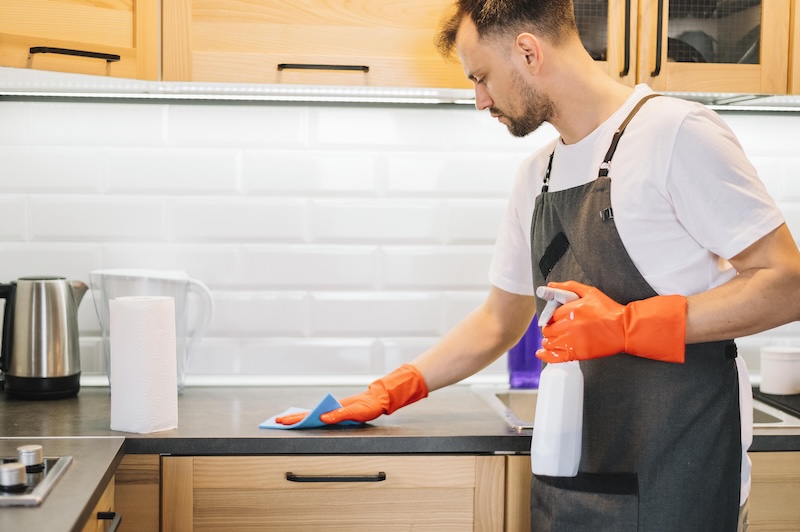
A truly clean home is not achieved through individual efforts alone; it is the result of a system. Household cleaning maintains daily cleanliness, while deep cleaning ensures that nothing builds up in the background.
Together, these two types of cleaning achieve:
- Better air quality with less dust and allergens
- Slower wear on furniture and surfaces
- A calmer, more organized appearance throughout the home
This combination reduces long-term effort and keeps costs manageable, as major cleaning tasks are needed less frequently.
Helpling offers a practical solution to combine both approaches. You can book regular household cleaning and schedule deep cleaning as needed. Both services adapt to your lifestyle, creating a cleaning system that works with you, not against you.
Conclusion
Cleanliness only feels satisfying when it fits seamlessly into everyday life. Knowing the difference between household cleaning and deep cleaning is essential. Both serve distinct purposes and have their place.
Household cleaning ensures stability, keeping your home consistently clean, reducing daily effort, and relieving mental pressure. Deep cleaning goes deeper, removing built-up deposits and creating a fresh starting point. Only the combination of both ensures a long-lasting, genuinely clean home.
By regularly scheduling both types of cleaning, you save time and energy, protect surfaces, and create a calmer living environment. Cleanliness becomes effortless rather than a burden.
With Helpling, this balance is easy to achieve. Regular household cleaning can be booked, and deep cleaning can be added as needed, all flexibly and transparently.
In the end, it is not about perfection. It is about making your home feel good, orderly, and truly clean.