
After a renovation, everything looks new. The walls are freshly painted, the floors are installed, and the work is finished. And yet, the apartment often doesn’t feel truly clean. This is where post-renovation cleaning begins.
Unlike regular household cleaning, this is not about everyday dirt that builds up over time. Post-renovation cleaning is what’s known as a final construction cleaning. It deals with the fine, stubborn dirt left behind by construction work that spreads invisibly throughout the entire space.
Renovation dust is especially tricky. It is extremely fine, settles into the smallest cracks, and stays in the air for a long time. Even thorough vacuuming is often not enough. The dust resettles on furniture, floors, and surfaces. What looks clean is often only superficially cleaned.
After a renovation, cleaning requires a different approach. It is more thorough, more time-consuming, and requires experience in handling new materials and delicate surfaces.
In this article, we will look at:
- How post-renovation cleaning differs from regular cleaning
- What professional renovation cleaning services can provide
- What costs you should expect
What Is Post-Renovation Cleaning?
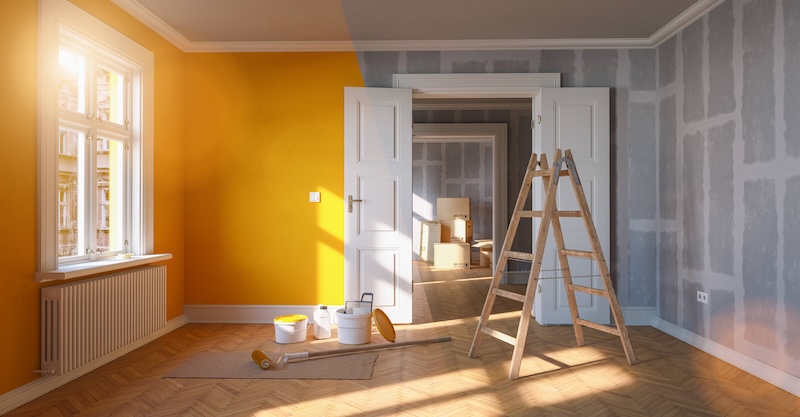
Post-renovation cleaning is not a standard household or deep cleaning. It follows its own rules and has a clear goal: the apartment should be fully usable again after construction work, meaning that it’s free from dust, residues, and hidden dirt.
Difference from Deep Cleaning
A deep cleaning usually takes place in a lived-in home or as a refresh. There are no construction works involved, only normal household dirt.
Typical tasks include:
- Thorough cleaning of floors, bathrooms, and kitchens
- Intensive care of surfaces
- Removing limescale, grease, and stubborn everyday dirt
A deep cleaning goes further than regular maintenance cleaning, but it does not involve construction debris.
Difference from Regular Household Cleaning
Every day cleaning focuses on maintenance. Dust is removed, floors are mopped, and the bathroom and kitchen are kept clean. The dirt is visible and builds up gradually.
After a renovation, the situation is different. This is referred to as final construction cleaning. The dirt appears all at once and spreads everywhere. It sits deep and is often not immediately visible.
The key difference is the effort required. Post-renovation cleaning is more detailed, more thorough, and significantly more time-consuming than regular cleaning. It often requires special cleaning products as well.
Why Renovation Dust Is So Stubborn
Renovation dust is created during sanding, drilling, sawing, or plastering. The particles are so small that they settle even on smooth surfaces. Once stirred up, they spread throughout the entire room.
The problem is not just the quantity, but also how it sticks. The dust combines with moisture, grease, or static electricity. This makes it cling to surfaces and reappear even after cleaning.
Many households experience this: you wipe everything thoroughly, and shortly afterward, a fine layer of dust appears again on furniture or windowsills. This is typical of renovation dust.
Typical Dirt After Renovation Work
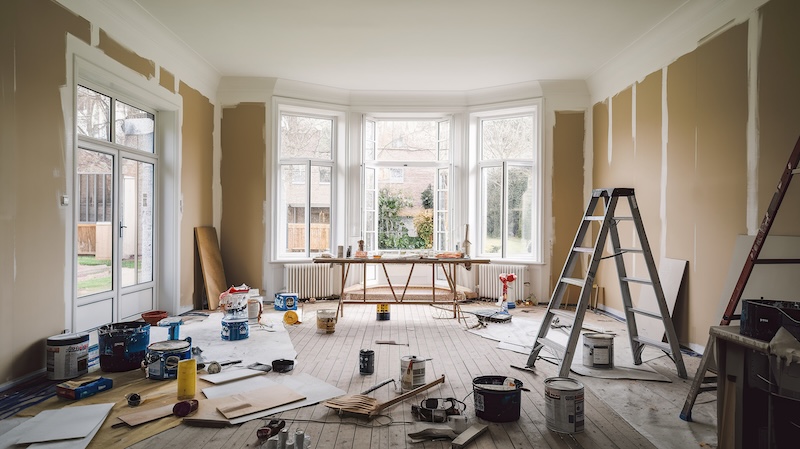
After construction work, dirt looks different from everyday dirt. Some residues are obvious immediately, others only become noticeable later.
Common types of dirt include:
- Fine construction dust on floors, furniture, and surfaces
- Paint and varnish splatter on parquet, tiles, doors, or window frames
- Residues of plaster, silicone, or grout
- Dust in corners, on baseboards, sockets, and radiators
These areas are often overlooked during regular cleaning, but after renovation, they collect a large amount of residue.
What Services Do Professionals Provide?
Professional cleaning services handle everything that remains after construction work, both visible and invisible dirt. The goal is an apartment that is truly ready to move into.
#1 Surfaces
All surfaces are thoroughly cleaned: floors, walls, doors, light switches, door frames, and baseboards.
Removing dust from cracks and hard-to-reach areas is especially important. Professionals work systematically from top to bottom to prevent dust from spreading further.
#2 Windows and Glass Surfaces
Windows are almost always affected after renovations. Construction dust, paint splatters, or adhesive residues need to be removed.
Professional cleaning includes:
- Glass surfaces
- Window frames
- Seals
- Windowsills
Clean windows make rooms brighter and show the true result of the renovation.
#3 Kitchen and Bathroom
Kitchen and bathroom areas are especially sensitive. New tiles, fittings, and surfaces must be cleaned carefully.
Professionals clean:
- Cabinets inside and out
- Fixtures and fittings
- Tiles and grout
- Typical construction residues and limescale
This ensures cleanliness while protecting new materials.
Additional Services
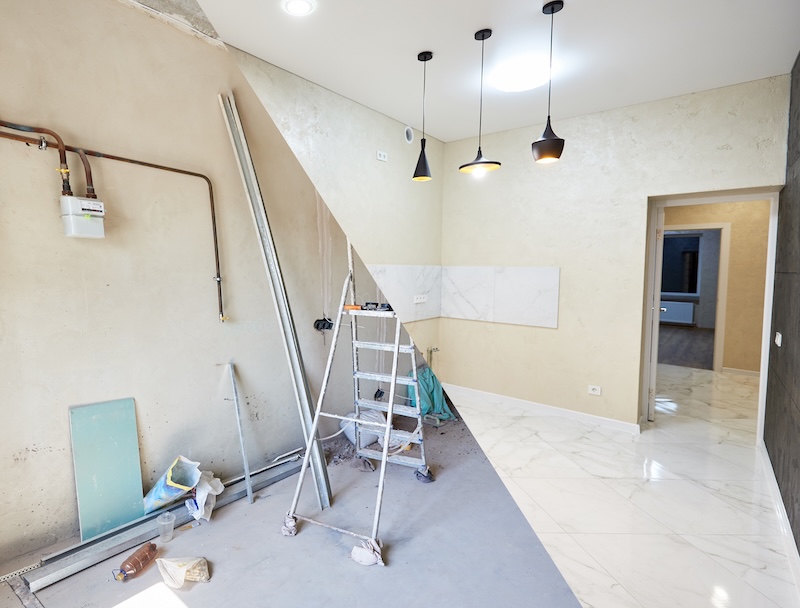
Depending on the scope of the renovation, additional services may include:
- Removing protective films from windows or furniture
- Disposal of light construction waste, such as cardboard or plastic
- Final detailed cleaning before moving in
At the end, the apartment feels completely finished and ready.
What Does Post-Renovation Cleaning Cost?
If you book a cleaner through Helpling, you can see prices in advance. Each cleaner sets their own hourly rate.
In many German cities, prices typically range between €16.90 and €26.86 per hour, depending on demand and local living costs.
A small service fee per appointment may also apply.
Why Post-Renovation Cleaning Is More Expensive
Post-renovation cleaning is more demanding than standard household cleaning.
Reasons include:
- Fine dust in cracks, sockets, and hard-to-reach areas
- Stubborn residues such as paint, plaster, or silicone
- Use of special cleaning products
- Thorough preparation before the actual cleaning begins
More time and detailed work automatically lead to higher costs.
Factors That Influence the Cost
The final price depends on:
- Size of the property
- Level of dirt and residue
- Type of renovation work carried out
- Additional services such as window cleaning or waste disposal
In larger cities such as München or Berlin, prices are usually at the higher end.
For comparison, a regular household cleaning typically costs between €20 and €27 per hour, depending on the city. With renovation cleaning, the time required per square meter increases, which also increases total costs.
Conclusion
A renovation does not end when the last contractor leaves. Only when dust and residues are completely removed does the construction site truly become a home again.
Post-renovation cleaning is more thorough, time-intensive, and more demanding than regular household cleaning. It requires systematic work and experience with new and delicate materials.
The costs are higher, but the result is worth it: a home that is genuinely ready to move into – without hidden dust or leftover debris.
Through platforms like Helpling, you can easily book post-renovation cleaning. You see prices upfront, choose suitable cleaners, and benefit from transparent conditions including insurance and support.
In short, professional post-renovation cleaning does more than create cleanliness. It marks the clean end of a demanding project and makes space for the next step: moving in, settling down, and feeling at home.