
In 2026, household cleaning is no longer an occasional luxury for many people; it has become a fixed part of everyday life. Work, family, and personal commitments often leave little time for regular and thorough cleaning. At the same time, expectations around cleanliness have increased. A well-maintained home today represents more than just order; it stands for structure, well-being, and relief.
As a result, more and more households are consciously choosing professional support. Reliable household cleaning creates free time and ensures consistent cleanliness, without additional stress. At the same time, many people ask the same question: What does household cleaning really cost in 2026?
The answer isn’t always straightforward. Prices vary depending on region, apartment size, and scope of services. In addition, not all providers operate with the same level of transparency. That’s why it’s more important than ever to realistically assess costs and understand which factors influence pricing.
In this article, you will:
- get a clear overview of household cleaning costs in 2026
- learn what to expect
- understand where price differences come from
- and discover how to save money without sacrificing quality
What Does Household Cleaning Cost on Average in 2026?
In short: In Germany, household cleaning costs in 2026 usually range between €15 and €40 per hour. This is a realistic price range most households should expect.
These prices are not arbitrary. They are driven by labor costs, taxes, insurance, demand, and the general cost of living. Anyone paying significantly less should take a closer look. Anyone paying significantly more is often paying for additional services, not necessarily better cleaning.
To better assess your own costs, it helps to understand the key pricing models.
Hourly Rates and Flat Fees
Most providers charge by the hour. This is transparent and easy to plan, as you only pay for the time actually worked.
Flat fees are mainly used for one-time cleanings, such as deep cleans or move-out cleanings. While they may seem attractive at first glance, they offer less flexibility. If more time is needed, additional costs often apply afterward.
For everyday household cleaning, hourly pricing is generally the better choice. It gives you control and allows you to adjust the scope at any time.
One-Time Cleaning vs. Recurring Household Cleaning
A one-time cleaning is almost always more expensive per hour. The reason is simple: dirt and buildup accumulate over time.
With a recurring household cleaning, the workload is significantly reduced. Surfaces stay clean, routines are established, and cleaning becomes faster. This directly lowers costs.
Many providers offer better rates for recurring appointments, especially for weekly cleanings.
Average Hourly Costs (2026)
For reference:
- One-time household cleaning: approx. €30–40 per hour
- Recurring household cleaning: approx. €25–35 per hour
Regional differences are normal. Prices tend to be higher in major cities and slightly lower in rural areas.
Why Professional Household Cleaning Is Worth the Price
Most households choose professional cleaning not for perfection, but for relief. The real value becomes evident in daily life:
- More time for work, family, and relaxation
- Consistent cleanliness without last-minute stress before guests or appointments
- Noticeable relief for families, working professionals, and older people, especially for physically demanding tasks
- Long-term routines that help maintain order and structure in the home
Which Factors Influence Household Cleaning Costs in 2026?
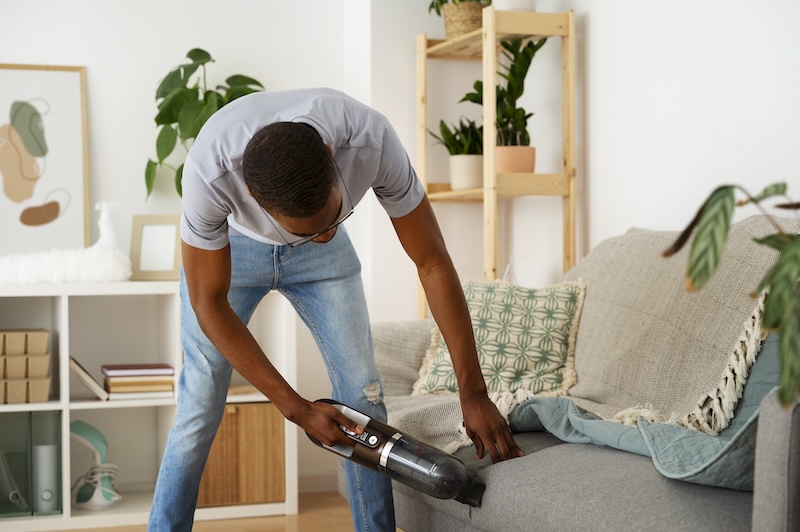
General price ranges provide guidance, but the actual price is always shaped by several specific factors. Knowing these helps you compare offers and plan more realistically.
#1 Location and Region
Location affects pricing more than many people expect. In major cities like Berlin, Munich, or Hamburg, costs are generally higher than in smaller towns or rural areas. This is especially evident in household cleaning in Berlin.
The reason isn’t the cleaning itself, it’s the demand, cost of living, and availability of cleaners. In cities with high demand, prices rise naturally.
Even within the same federal state, prices can vary. City centers are often priced differently from surrounding areas, which explains why costs can fluctuate significantly despite similar apartment sizes.
#2 Size of the Apartment or House
Living space is an important pricing factor, but it doesn’t determine cleaning time on its own.
Not every square meter requires the same effort. An empty hallway can be cleaned quickly, while a kitchen with many surfaces takes much longer.
As a general guideline:
- Small apartments up to 50 m²: approx. 1.5–2 hours
- Medium-sized apartments up to 90 m²: approx. 2–3 hours
- Larger homes from 100 m²: often 3 hours or more
These are average values. Actual time depends heavily on how the space is used.
#3 Cleaning Frequency
How often cleaning takes place has a direct impact on cost. One-time cleanings are almost always more expensive per visit.
With regular household cleaning, effort is spread out. Surfaces stay clean, time requirements decrease, and costs go down accordingly.
Weekly appointments are often cheaper in the long run than monthly one-off bookings, a fact many households underestimate.
#4 Types of Household Cleaning Services
Not all cleaning services are the same. The scope of services significantly affects pricing.
A standard cleaning usually includes floors, surfaces, bathrooms, and kitchens. It’s predictable and easy to calculate.
A deep cleaning goes further, requires more time, and is therefore more expensive.
Additional services such as window cleaning, oven cleaning, or refrigerator cleaning increase effort. More services don’t automatically mean more value; targeted add-ons are often more effective than booking everything regularly.
#5 Condition of the Household
The initial condition of the home plays a key role. A well-maintained household can be cleaned much faster than one that has been neglected for a longer period.
Being realistic saves money. If the workload is underestimated, cleaning time increases, leading to higher total costs or unsatisfactory results.
Misunderstandings often arise when the condition is downplayed. Transparency ensures fair pricing and better planning for both sides.
How to Save Money on Household Cleaning
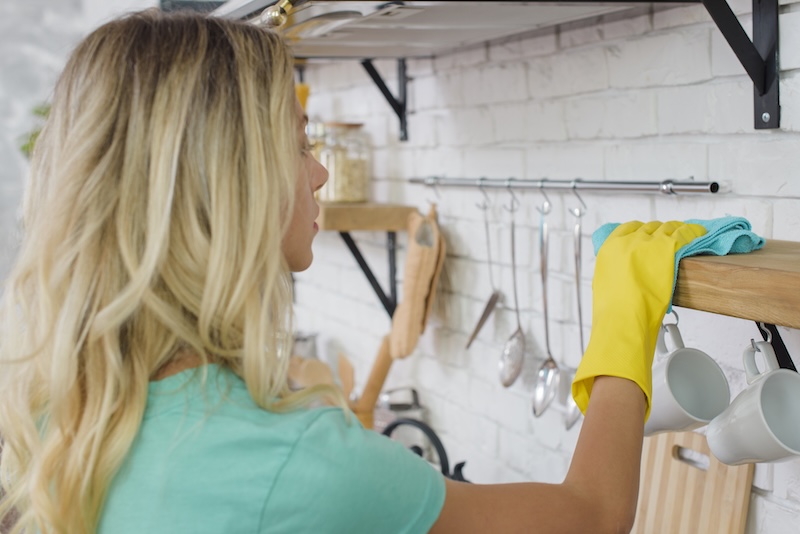
Household cleaning costs are often seen as fixed, but they aren’t. With smart planning, you can save noticeably without compromising quality.
Book Regular Cleanings Instead of One-Off Appointments
Recurring appointments are cheaper than individual bookings due to lower effort per visit.
Dirt doesn’t build up as much, routines develop, and cleaning takes less time, reducing costs in the long term.
Another advantage is consistent quality, even with the same budget.
Compare Providers and Evaluate Services Properly
The lowest price is rarely the best choice. What matters is what’s included.
When comparing providers, look for:
- Clear information on hourly rates and minimum bookings
- Transparency around additional costs
- Reviews from other customers
- Flexibility for schedule changes
A fairly calculated price prevents unpleasant surprises and saves both money and time.
Use Tax Benefits
Good news: Household cleaning qualifies as a household-related service in Germany.
A portion of the costs can be deducted from taxes. Only labor costs are deductible, not materials or travel expenses. The tax reduction can be up to 20% of costs, subject to legal limits.
Choose the Right Service Level
Not every task needs to be done professionally, and that’s where savings potential lies.
Many households handle light tasks themselves, such as tidying up or wiping small surfaces.
Professional cleaning is most worthwhile for time-consuming tasks like floors, bathrooms, and kitchens. This ensures high quality without paying for unnecessary extras.
Conclusion
Household cleaning in 2026 is easy to plan. Costs fall within a clear range and depend less on the market than on individual choices.
Those who book regularly, realistically assess the scope of services, and compare providers transparently maintain control over their budget. Region, home size, cleaning frequency, and household condition are the key levers.
Saving money doesn’t mean sacrificing quality. Often, smart planning is enough to reduce costs while achieving better results. Tax benefits and recurring appointments further enhance this effect.
For many households, professional cleaning is no longer a luxury; it’s an investment in time, structure, and quality of life. That’s exactly why household cleaning remains an integral part of a well-organized daily routine in 2026.