
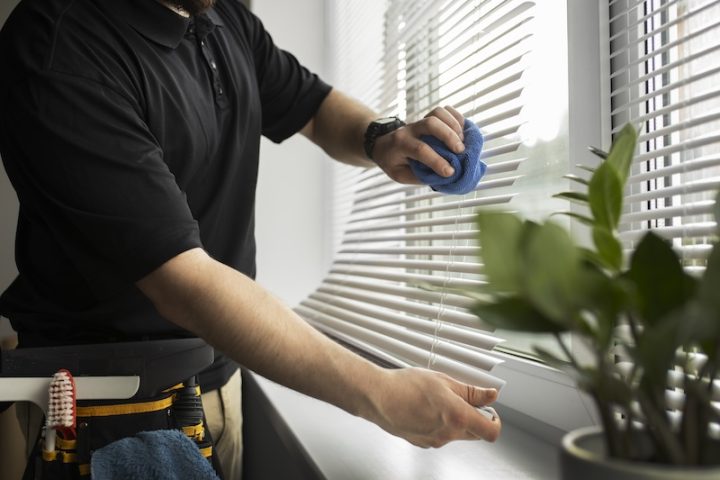
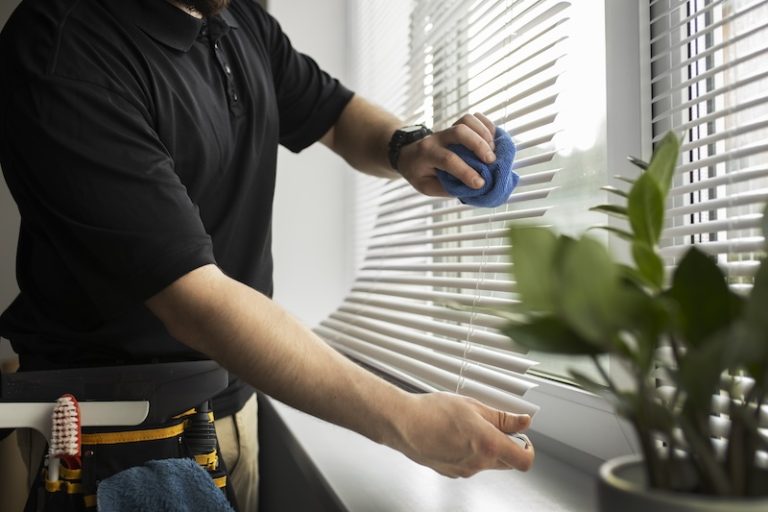

Pleated roller blinds are not only an elegant and functional window decoration, but also a perfect choice for modern living. They provide privacy, control light, and add stylish accents to any room. However, like any window covering, pleated blinds require regular care to maintain their beauty and functionality.
The challenge when cleaning pleated blinds often lies in treating the fabric correctly without damaging it, especially when stubborn dirt or dust settles deep into the folds. Many people ask themselves: How can you clean pleated roller blinds gently and effectively without risking damage to the fabric or the mechanism?
We’ve collected the 6 best tips for cleaning and caring for your pleated roller blinds. With the right techniques and tools, you can keep your window coverings in excellent condition with minimal effort. You’ll learn which methods work best for dusting, stain removal, and deep cleaning, ensuring your pleated blinds remain both functional and visually appealing.
What Are Pleated Roller Blinds and Why Is Cleaning Them Important?

Pleated roller blinds are an especially elegant and functional type of window covering made from fabric folded into soft pleats.
These folded fabric panels can be easily raised and lowered, offering a flexible way to control incoming light. Available in a wide range of colors, patterns, and materials, pleated blinds adapt perfectly to any interior style.
Another advantage of pleated roller blinds is their space-saving design, making them ideal for small rooms or windows with unusual shapes.
However, like all window coverings, pleated blinds require regular maintenance. Over time, dust, dirt, and even grease can accumulate on the fabric. This not only affects their appearance but can also impair functionality. When dust and dirt settle into the folds, the blind may become harder to move and develop unsightly discoloration.
This is why you should always include your pleated blinds when cleaning your windows. Water splashes and dust deposits can quickly cause visible soiling.
Regular and thorough cleaning ensures that your pleated blinds retain their aesthetic appeal and functionality for many years. If you’re unsure which cleaning method is best for your blinds, or if you prefer especially gentle, professional care, you can always turn to a Helpling cleaner. An expert knows the right techniques and products to clean pleated blinds effectively without damaging the fabric or mechanism.
Cleaning Pleated Blinds: How to Do It Right
You may already know how to clean your windows properly, but pleated blinds can feel more challenging. Don’t worry: we’ve gathered the best tips to make cleaning pleated blinds quick and easy.
Regular cleaning is essential to maintain both the appearance and functionality of pleated roller blinds. Dust and dirt can build up over time and put strain on both the fabric and the mechanism. Here are some practical tips for routine care.
Tip 1: Regular Dusting – Prevent Strain on the Fabric

Regularly removing dust from pleated blinds is essential. Dust buildup can stress the fabric fibers and the operating mechanism. If left too long, dust becomes harder to remove and may cause discoloration.
Best tools for dusting:
- Vacuum cleaner with a soft brush attachment: Ideal for gently cleaning the fabric without damaging the folds.
- Feather duster: Flexible dusters are excellent for reaching into the folds without putting pressure on the fabric.
- Microfiber cloths: A dry microfiber cloth effectively picks up dust and leaves no lint behind.
The right technique:
- Gentle wiping: Carefully move the vacuum attachment or cloth over the surface. Avoid pulling or pressing the fabric into the folds.
- Work along the folds: Lightly brush along the pleats rather than against them to prevent stress on the material.
Tip 2: Cleaning Pleated Blinds: Methods for Deeper Dirt
Sometimes regular dusting isn’t enough to remove stubborn dirt. In such cases, a more thorough cleaning is necessary.
Be careful when using water:
Excess moisture can damage the fabric or affect the blind’s mechanism. Always ensure the blind doesn’t get too wet.
Removing light dirt with a damp cloth:
- Damp microfiber cloth: Slightly moistened cloths are perfect for removing light dirt or fingerprints without soaking the fabric.
- Gentle wiping: Lightly wipe the affected area without rubbing or pulling. Remove excess moisture with a dry cloth.
Tip 3: Stain Removal for Tough Spots
Choosing the right cleaning agent and technique is crucial to removing stains without damaging the fabric.
Use mild cleaning solutions:
- Mild soap: A mixture of lukewarm water and mild soap works well for general stains. Avoid harsh chemicals.
- Vinegar-water solution: A 1:1 mix of water and vinegar is effective for tougher stains, especially greasy residue.
Targeted stain treatment tips:
- Let the cleaner sit briefly before wiping
- Avoid abrasive or aggressive chemicals
- Always test on an inconspicuous area first to check for color changes
Tip 4: Special Care Tips for Different Fabric Types
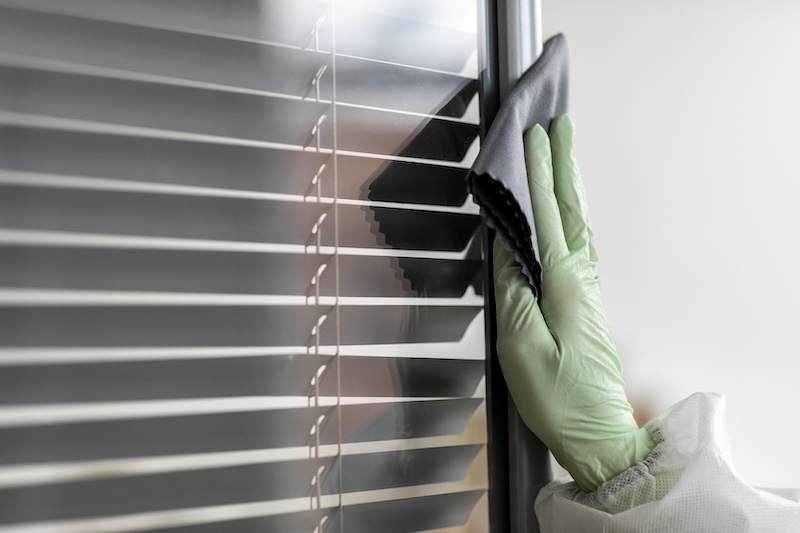
Pleated blinds are made from various fabrics, each requiring specific care.
Polyester:
Durable and generally tolerant of mild cleaners like soapy water or vinegar solutions. Avoid heavy rubbing to prevent fabric distortion.
Cotton:
More delicate than polyester. Clean gently with a lightly damp cloth and very mild detergent. Avoid excess water, as cotton absorbs moisture easily and dries slowly.
Tip 5: Cleaning Pleated Blinds in the Bathtub or Shower
For a thorough clean, pleated blinds can be washed in a bathtub or shower.
How to remove the blind safely:
- Carefully remove the blind if detachable
- Avoid pulling or forcing it out of its mounting
Cleaning process:
- Submerge the blind in lukewarm water
- Avoid hot water, which can damage fibers
Cleaning agents:
- Use mild detergent or fabric-safe cleaners
- Avoid strong chemicals to protect the material
Tip 6: Cleaning Without Water: Dry Methods
If you prefer not to use water or have particularly delicate fabric, dry cleaning methods are an excellent alternative.
Steam cleaning:
Steam cleaners gently loosen dirt without soaking the fabric.
Caution: Avoid directing steam at the mechanism or sensitive areas.
Special cleaning devices:
- Soft-brush cleaning tools designed for pleated blinds
- Ideal for regular maintenance and fold cleaning without damage
Our tip: Don’t have special tools? No problem. Have your pleated blinds professionally cleaned. With Helpling, you’ll find experienced experts who can restore your blinds’ shine and clean your windows at the same time if desired.
After Cleaning: Properly Drying Pleated Blinds

Correct drying is crucial to maintaining the shape and function of pleated blinds.
Air drying is the best method
Always air-dry pleated blinds. Rehang the damp blind immediately and fully extend it. This preserves the pleat structure and allows even drying. Ensure good ventilation by opening windows or airing the room.
What to avoid
Never use a tumble dryer or expose blinds to direct heat sources such as heaters or hair dryers. High temperatures can warp or damage the fabric. Avoid wringing, as it destroys the pleats.
Restoring the shape
If the pleats appear uneven after drying, gently reshape them by hand. For stubborn creases, lightly iron the dry blind at a low temperature with a towel placed between the iron and fabric.
Conclusion
With proper care, pleated roller blinds remain both functional and elegant. Regular dusting, targeted stain removal, and occasional deep cleaning help keep them looking new for years. Whether you choose gentle dry methods or a thorough bath cleaning, the right techniques effectively remove dirt without damaging delicate fabrics.
Proper drying is especially important to preserve the pleat structure and prevent damage from moisture or heat. If you’re unsure which cleaning method is best, or simply don’t have time, professional help is a smart choice. Helpling’s cleaners are happy to clean your pleated blinds gently and expertly, ensuring long-lasting cleanliness and maximum durability.